Cooked rice is one of the most wasted foods in Indian homes. Not because we cook too much — but because we’re unsure: “Is this rice still safe?”
This guide gives you a simple, safety-first answer, plus a practical system to stop leftover rice from turning into “mystery food” at the back of the fridge.
Quick Jump
Disclosure: As an Amazon Associate, I earn from qualifying purchases.
Most people don’t overspend on groceries in one big purchase. They overspend in small, invisible ways:
- ₹20–₹60 “quick milk” runs 10 times
- Snacks/juice added “just this once”
- Vegetables bought in bulk, then partially wasted
- Offline cash purchases that never get counted
That’s why tracking works: it makes the invisible visible — and your budget stops leaking automatically.
✅ The 3-rule tracking system (simple, sustainable)
You don’t need complex apps or 20 categories. You need a habit you can keep.
Follow these 3 rules for 14 days — your spending pattern becomes obvious.
Rule 1: Track every purchase (even ₹20)
Small purchases are the main reason budgets feel “mysteriously high”. Log everything for accuracy.
Rule 2: Use only 5 categories
Less typing. Faster decisions. Clear insights.
Rule 3: Review once a week (5 minutes)
Weekly review is where savings come from: you spot the leak and fix it next week.
Best time: Sunday evening — pair it with your fridge reset habit.
🧠 The 5 categories (perfect for India)
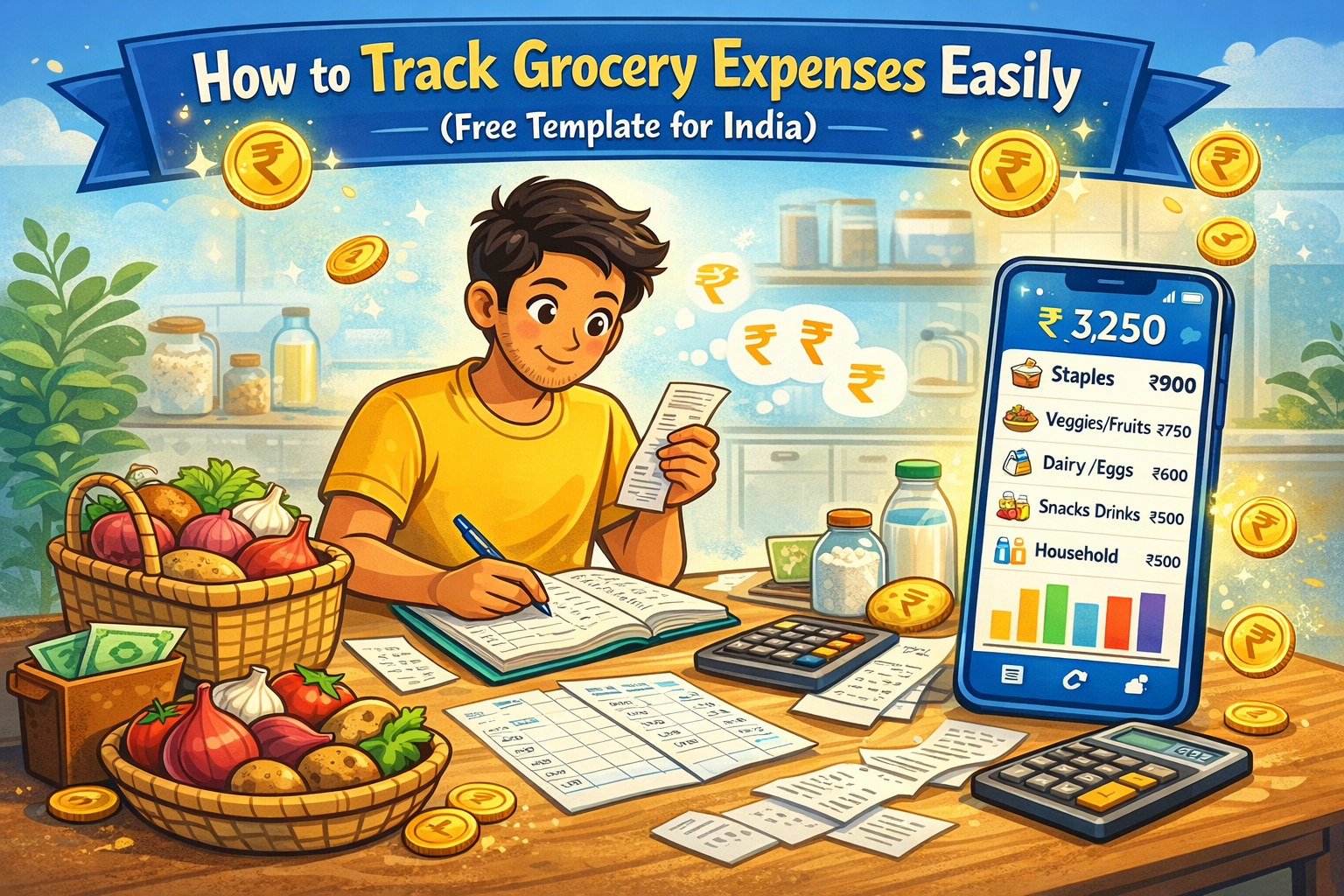
These 5 buckets cover 95% of grocery spending and make analysis effortless:
| Category | Examples | What to watch |
|---|---|---|
| Staples | Rice, atta, dal, oil | Bulk buys + price changes |
| Vegetables & Fruits | Tomato, onion, greens | Waste + overbuying |
| Dairy & Eggs | Milk, curd, paneer, eggs | Daily “small” spends |
| Snacks & Drinks | Biscuits, chips, cold drinks | Biggest leak category |
| Household | Dishwash, detergent, garbage bags | Buying duplicates |
📒 Budget Planner Notebook (Fast Manual Tracking)
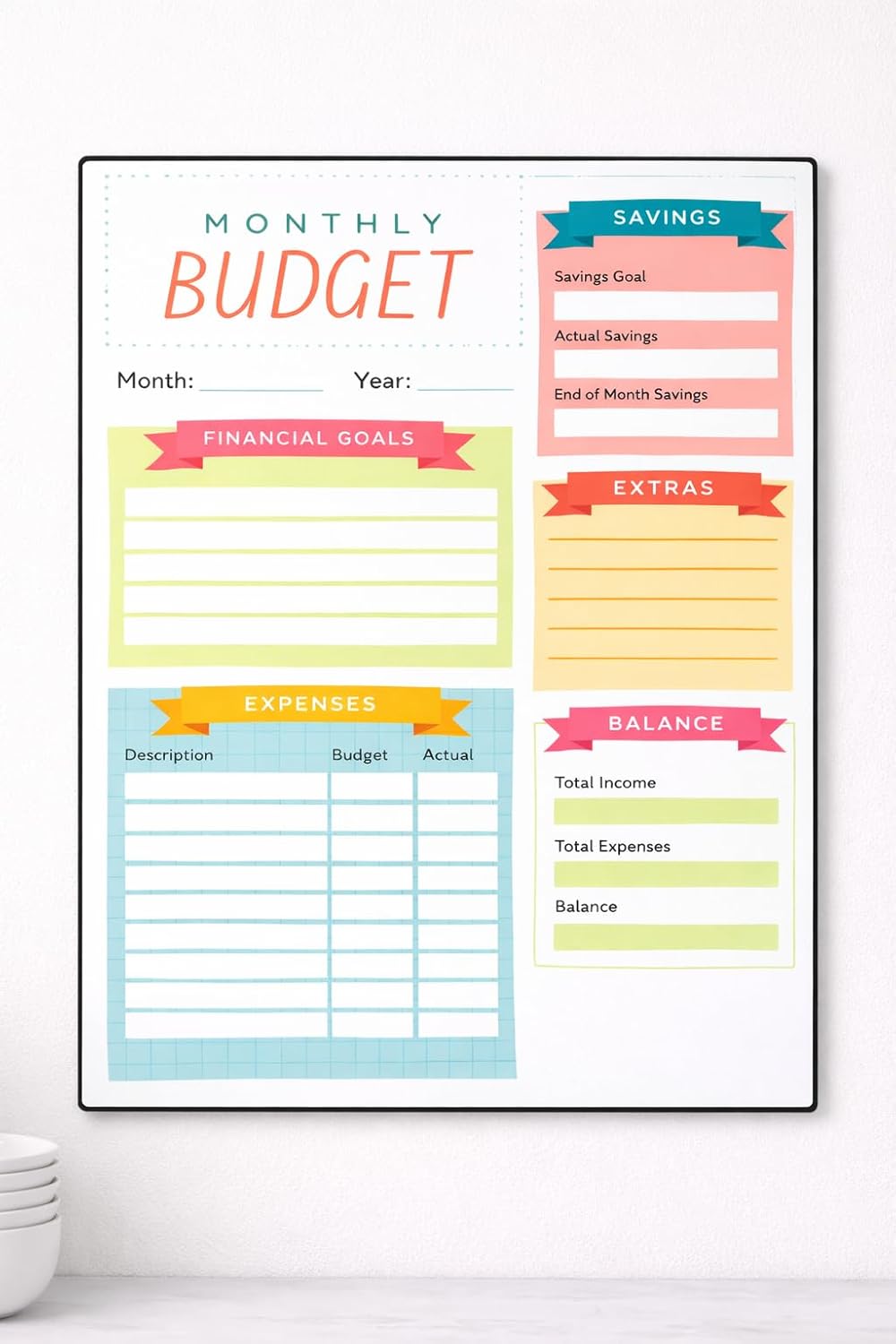
📋 Free copy‑paste template (start today)
Copy this table into Google Sheets / Excel. Keep it simple — that’s the secret.
| Date | Store/App | Category | Item | Qty | Amount (₹) | Payment | Notes |
|---|---|---|---|---|---|---|---|
| 2026-02-15 | D-Mart | Staples | Rice | 5 kg | 320 | UPI | Monthly stock |
| 2026-02-15 | Local shop | Dairy & Eggs | Milk | 2 L | 120 | Cash | Evening |
Monthly summary (super easy)
- Budget (₹): set one number (example: 3000)
- Total spent: add all amounts
- Category totals: total each category (Staples / Veg / Dairy / Snacks / Household)
Goal: You don’t need “perfect accounting”. You need a clear direction.
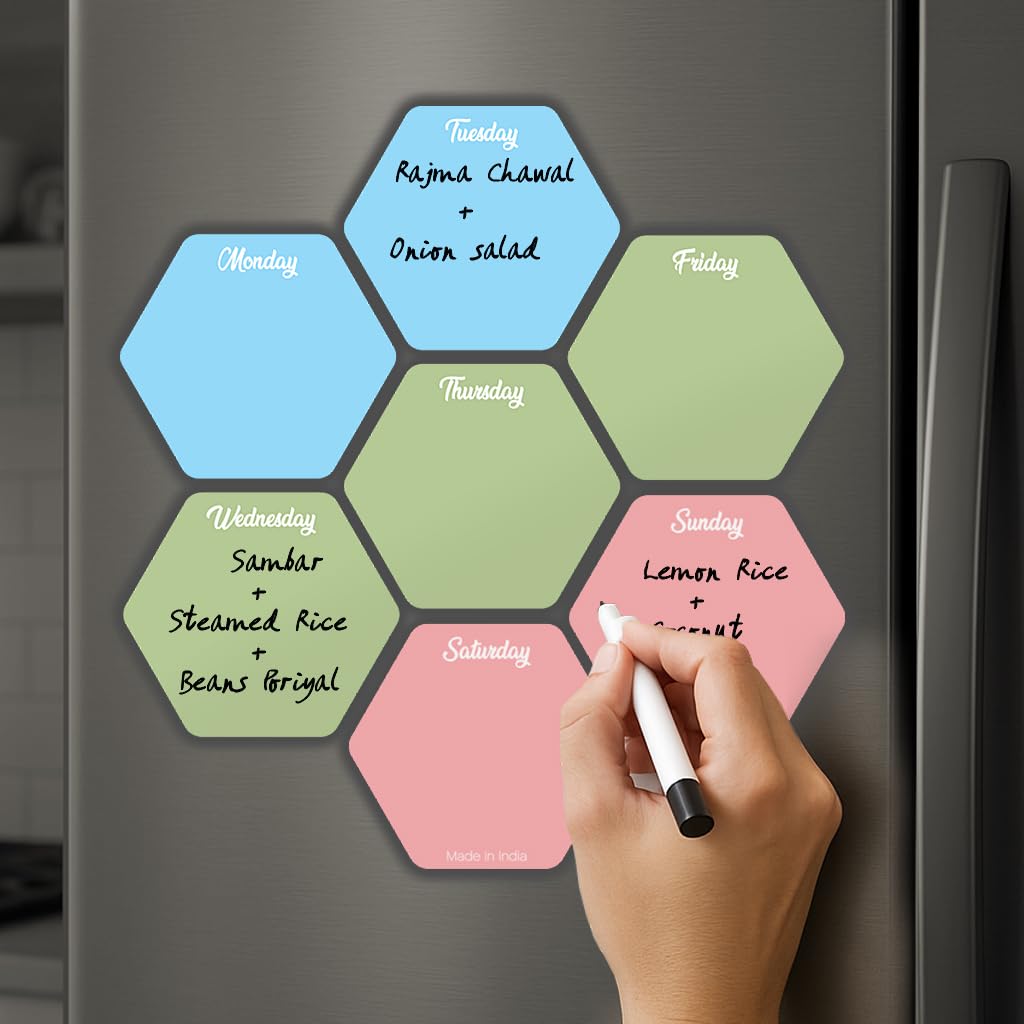
🧲 Magnetic Fridge Grocery Planner (Track Grocery Spending)
🗓️ 5-minute weekly review (Sunday)
Ask these 4 questions
- Which category was highest this week?
- Did snacks/drinks increase? (most common leak)
- Did any vegetables get wasted?
- One fix for next week (example: buy veggies twice, smaller quantity)
This review alone often saves ₹800–₹1,500/month for Indian homes.
🚫 Common mistakes (avoid these)
- Trying to track with 20 categories (you’ll quit)
- Tracking only big purchases (small spends are the leak)
- Not reviewing weekly (data without action = useless)
- Buying duplicates because you didn’t check stock
❓ FAQ
How long does it take to build the habit?
Most people feel “in control” within 7–14 days if they log every purchase and do one weekly review.
What if my family buys groceries separately?
Create one shared sheet or ask one person to log all spends. The rule is the same: everything gets counted.
Is this useful for students?
Yes. Students benefit the most because small spends (snacks, delivery add-ons) quickly add up.
Want grocery spending to feel simple?
Use GrocTrack to track items, spending, and expiry reminders so you stop overspending and wasting food.
Try GrocTrack App →