Safety note: These are general storage ideas, not guaranteed shelf-life limits. Follow product labels and local food-safety guidance. Do not rely on smell, appearance, or a float test alone to decide whether high-risk food is safe.
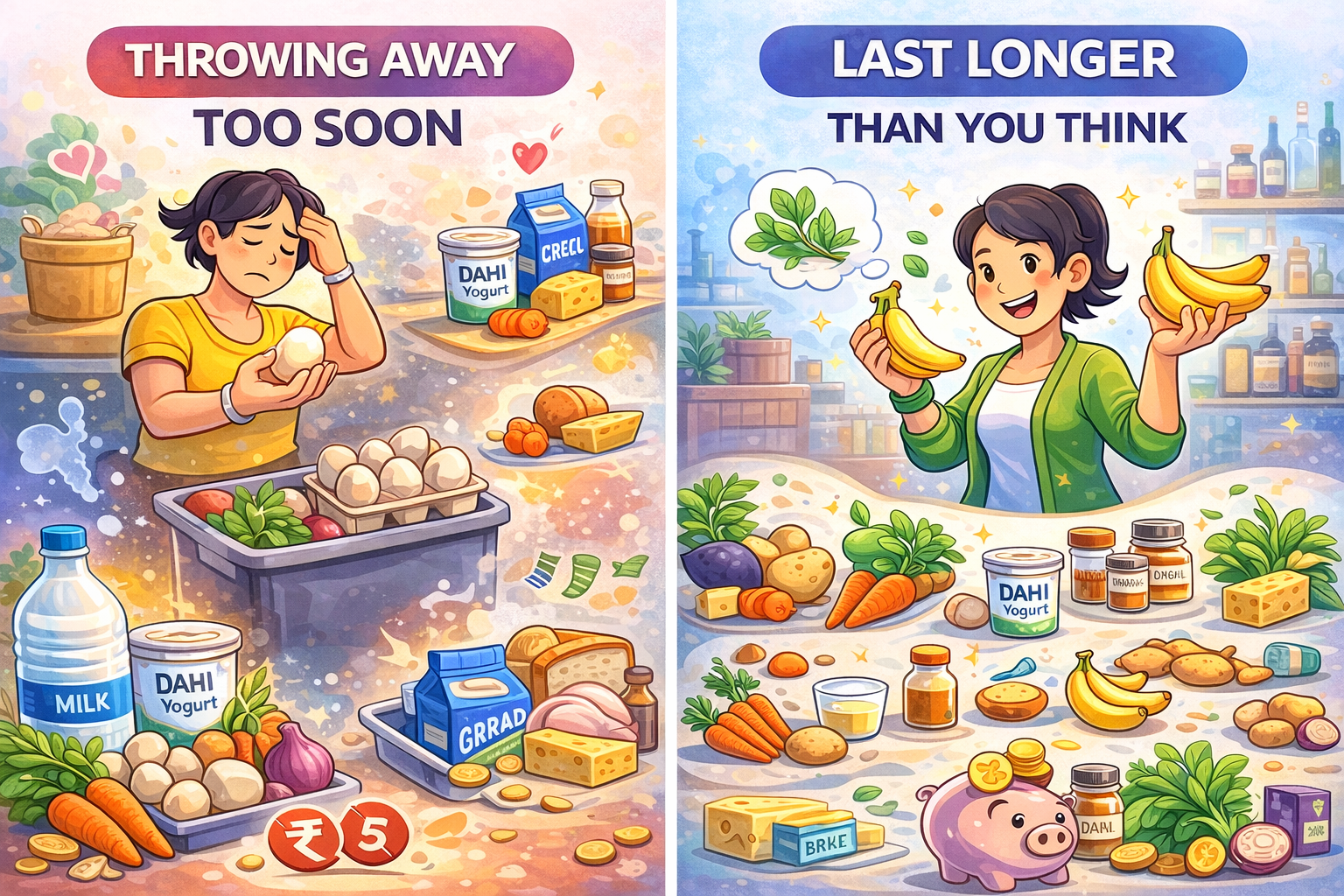
Food waste can add up. The cost of food that goes unused varies by household. Track what you discard for a few weeks and estimate its cost using your own purchase prices to understand your household's avoidable waste.
The culprit? Misunderstanding expiry dates and not knowing how long foods actually last. Let's fix that today!
Product-link disclosure: Product links lead to third-party retailers. GrocTrack does not currently claim active Amazon Associates participation or that these links generate commissions.
Quick Jump
💡 Quick Fact
Food-storage decisions depend on the item, handling, and label. Use reliable food-safety guidance rather than guessing.
🥚 The 10 Foods You're Wasting (And How Long They REALLY Last)
1. 🥚 EGGS — Check the date and storage instructions
Egg storage life depends on how they were handled, the package date, and local storage guidance. Keep eggs according to the label and discard cracked or improperly stored eggs.
Important: A float test indicates age, not whether an egg is safe. Do not use it as a safety test.
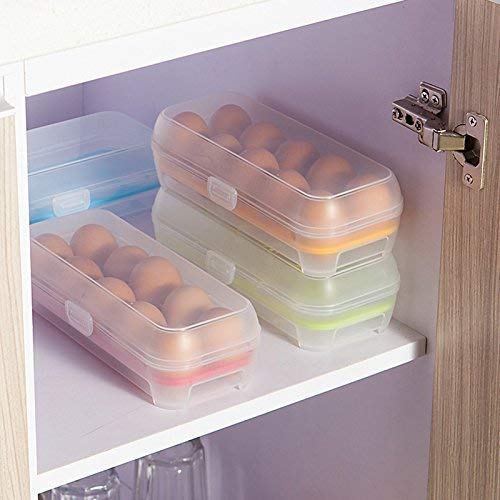
Storage tip: Keep eggs in their original carton and follow the package instructions.
Potential savings: This varies by household, prices, storage, and how much food would otherwise be discarded. Track your own purchases and waste to estimate the difference.
🥚 Stop Egg Waste (Quick Fix)
2. 🥕 CARROTS — Keep them cool and check regularly
What you think: Carrots go soft in a week.
Storage note: Carrot shelf life varies with freshness, moisture, temperature, and storage. Check regularly and discard spoiled produce.
Storage tip: Remove green tops, store in crisper drawer wrapped in damp paper towel.
Potential savings: This varies by household, prices, storage, and how much food would otherwise be discarded. Track your own purchases and waste to estimate the difference.
3. 🥛 YOGURT/DAHI — Follow the label
Follow the product label and storage instructions. Do not assume yogurt is safe for a set period after a date; use-by and best-before labels have different meanings.
Visible mold or unexpected changes are reasons for caution, but normal appearance or smell does not guarantee safety.
Potential savings: This varies by household, prices, storage, and how much food would otherwise be discarded. Track your own purchases and waste to estimate the difference.
4. 🧀 HARD CHEESE — Follow package guidance
What you think: Cheese goes bad quickly.
Shelf life depends on the cheese, packaging, temperature, and whether it has been opened. Follow the label and reputable food-safety guidance.
Pro tip: Do not apply one mold-removal rule to every cheese. Check reliable guidance for the specific type.
Potential savings: This varies by household, prices, storage, and how much food would otherwise be discarded. Track your own purchases and waste to estimate the difference.
5. 🥔 POTATOES — Store in a cool, dark, dry place
What you think: Potatoes last 2 weeks max.
Storage note: Shelf life varies with temperature, humidity, and starting condition. Check often and avoid potatoes that are extensively green, rotten, or bitter.
Storage note: Keep potatoes in a cool, dark, well-ventilated place and check them regularly. Avoid using potatoes that are extensively green, rotten, or bitter.
Potential savings: This varies by household, prices, storage, and how much food would otherwise be discarded. Track your own purchases and waste to estimate the difference.
6. 🍞 BREAD — Freeze what you will not use soon
What you think: Bread lasts 5-7 days.
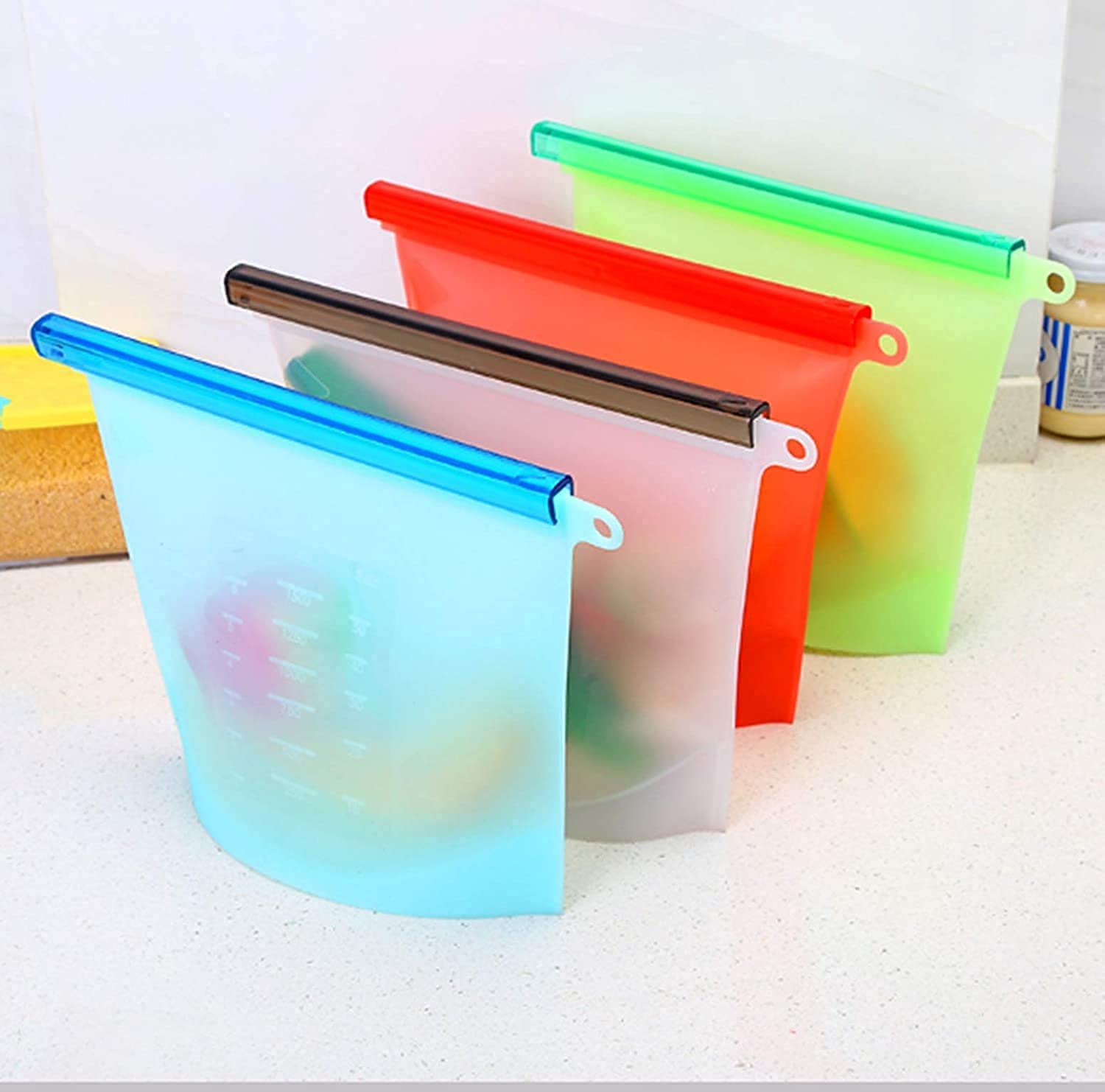
Freezing can help preserve bread quality for longer; use packaging guidance and check for freezer damage or mold after thawing.
Storage note: Bread storage depends on climate and how quickly you will use it. Freeze bread you will not use soon; follow package guidance and discard bread with mold.
Potential savings: This varies by household, prices, storage, and how much food would otherwise be discarded. Track your own purchases and waste to estimate the difference.
🍞 Freeze Bread Properly (So It Doesn’t Get Smelly)
7. 🍌 BANANAS - Don't Toss Brown Ones!
What you think: Brown/spotty bananas are bad.
Reality: Brown bananas are perfect for smoothies, banana bread, pancakes!
Pro tip: Peel and freeze overripe bananas for future use.
Potential savings: This varies by household, prices, storage, and how much food would otherwise be discarded. Track your own purchases and waste to estimate the difference.
8. 🌶️ SPICES & MASALAS — Protect flavor and aroma
What you think: Spices go bad in 6 months.
Spices gradually lose flavor and aroma. Shelf life depends on the product and package; follow the label and store them in a cool, dry place.
Storage tip: Cool, dark, airtight container away from stove.
Potential savings: This varies by household, prices, storage, and how much food would otherwise be discarded. Track your own purchases and waste to estimate the difference.
9. 🧅 ONIONS — Keep them dry and ventilated
What you think: Onions last 2 weeks.
Storage life varies with freshness, humidity, temperature, and ventilation. Check regularly and separate onions from potatoes where practical.
Storage note: Use a clean, dry, ventilated container appropriate for the food. Follow package instructions and refrigerate cut or prepared foods when required.
Potential savings: This varies by household, prices, storage, and how much food would otherwise be discarded. Track your own purchases and waste to estimate the difference.
10. 🥬 LEAFY GREENS — Store carefully and use promptly
What you think: Spinach/methi wilt in 2 days.
Leafy greens spoil quickly and their storage life varies. Follow package guidance, keep them at the recommended temperature, and check them often.
How: Wash, dry thoroughly, wrap in paper towel, store in airtight container.
Potential savings: This varies by household, prices, storage, and how much food would otherwise be discarded. Track your own purchases and waste to estimate the difference.
💡 Estimate your household's avoidable waste
Record the cost of items you actually discard over several weeks. Your result will depend on your household, prices, food choices, and storage conditions.
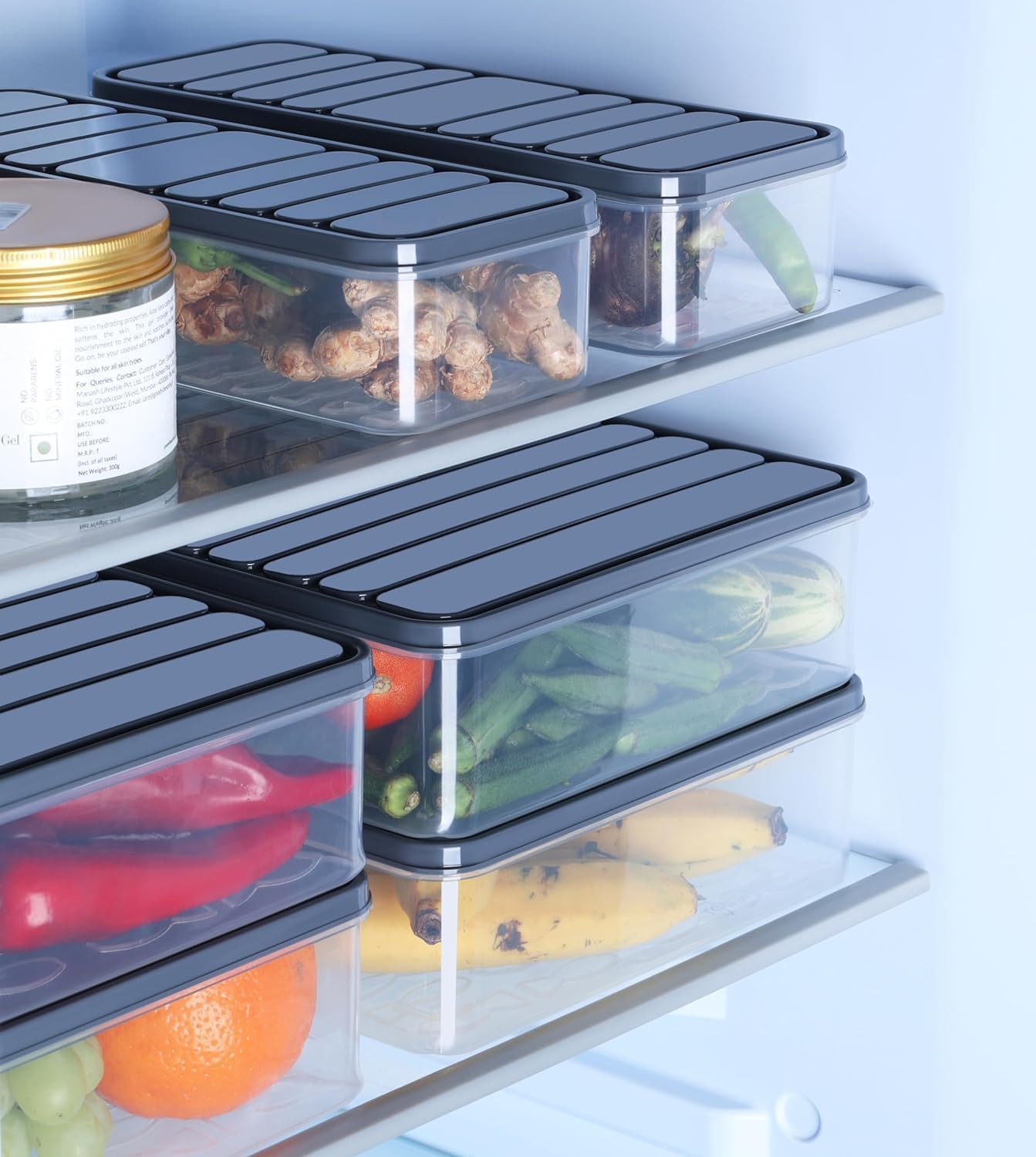
🛒 Recommended Storage Tools (Optional but Powerful)
🎯 The Smart Solution: Never Guess Again!
Remembering all these dates is hard. That's why smart families use GrocTrack - a free grocery tracker that:
- ✅ Tracks ALL your groceries in one place
- ✅ Sends you alerts BEFORE items expire
- ✅ Shows you what to use first (visual dashboard)
- ✅ Works on any device (phone, tablet, computer)
- ✅ Syncs with family members
- Check the app for currently available features and terms.
Instead of guessing, you'll know exactly when to use each item. No more throwing away good food or risking expired items!
Ready to Plan Your Groceries More Effectively?
Join 1000+ Indian families already saving with GrocTrack
Try GrocTrack FREE →No download needed | Works in browser | Setup in 60 seconds
💡 Pro Tips to Reduce Food Waste
- Shop with a list: Reduces impulse buys by 40%
- Check your fridge before shopping: Prevents duplicate purchases
- Use the FIFO method: First In, First Out - use older items first
- Proper storage is key: Right temperature + container = 2x longer freshness
- Track everything: Use GrocTrack to never forget what you have
🌍 The Bigger Picture
Food waste isn't just about money. It's about:
- 🌍 Environment: Food waste contributes 8-10% of global emissions
- 💧 Water: Wasted food = wasted water used to grow it
- ❤️ Ethics: While we waste, millions go hungry
Every item you save from the trash makes a difference!
📊 Your Action Plan
This Week:
- Check your fridge and identify "about to expire" items
- Plan meals around those items
- Sign up for GrocTrack to track everything
- Share this article with family/friends
This Month:
- Implement proper storage for all 10 foods above
- Track your grocery spending before vs after
- Review your grocery spending over time to see whether your habits are helping.
✅ Quick Amazon Links (Most Useful)
Don't Waste Another Rupee!
Start tracking your groceries today and watch the savings add up.
Get Started Free →